
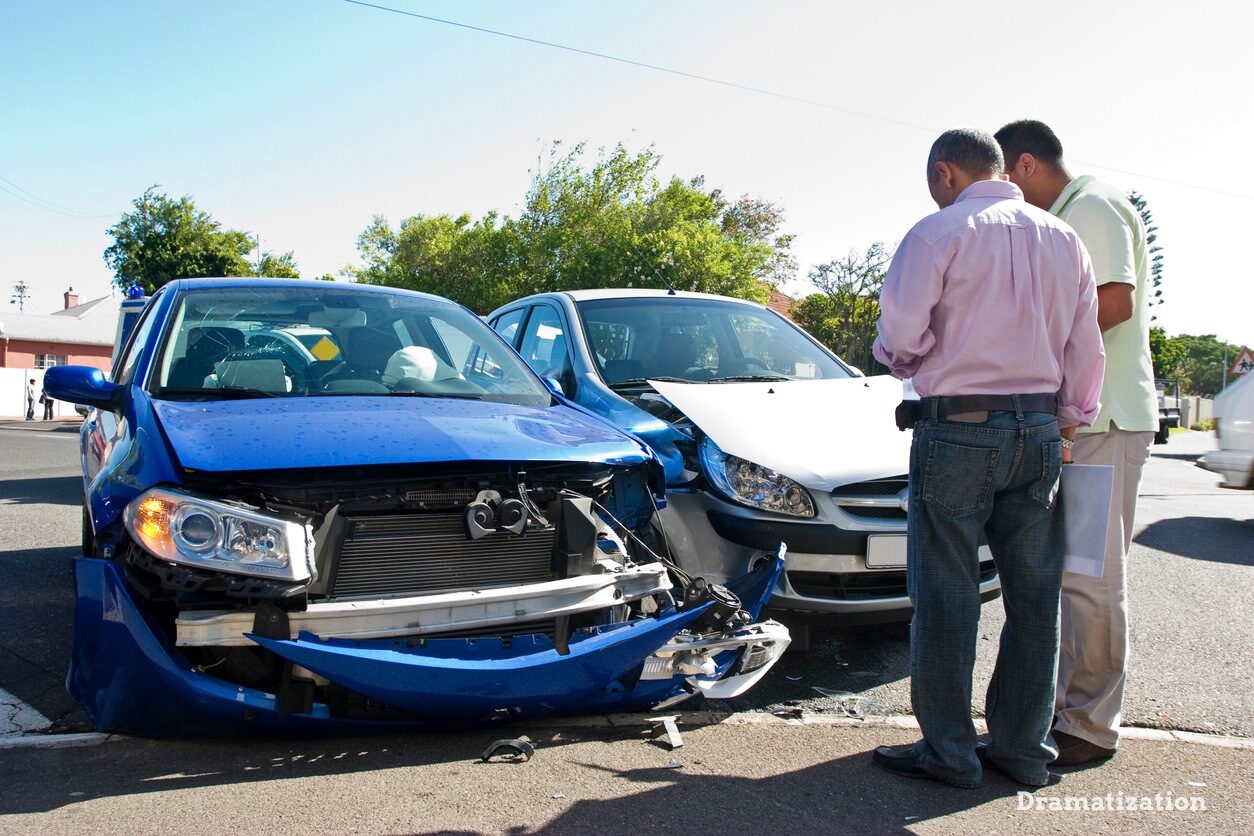
After an accident, many people worry about one key question: What if I was partly at fault?
In California, being partially responsible for an accident does not necessarily prevent you from recovering compensation. The state follows a rule called comparative negligence, which allows injury victims to recover damages even if they share some of the blame.
Understanding how this rule works can help you better evaluate your situation and avoid common mistakes when pursuing a personal injury claim.
What Is Comparative Negligence?
Comparative negligence is a legal rule used to determine how compensation is divided when more than one person is responsible for an accident.
Under California’s system, each party involved in an accident can be assigned a percentage of fault. Your financial recovery is then reduced by your percentage of responsibility.
For example:
- If your damages total $100,000
- And you are found 20 percent at fault
Your compensation would be reduced by 20 percent, meaning you could still recover $80,000.
California follows a pure comparative negligence rule, which is one of the most flexible systems in the United States. Even if someone is mostly responsible for an accident, they may still recover partial compensation.
How Comparative Negligence Works in Personal Injury Cases
Comparative negligence often comes into play in accidents where fault is not entirely clear.
Common examples include:
- Car accidents where both drivers contributed to the crash
- Pedestrian accidents where the pedestrian may not have used a crosswalk
- Bicycle accidents involving shared roadway responsibility
- Slip and fall incidents where hazards and personal awareness are both factors
Insurance companies, attorneys, and sometimes courts examine the evidence to determine each party’s share of responsibility.
This evaluation may involve reviewing:
- Police reports
- Photos or video footage
- Witness statements
- Medical records
- Accident reconstruction reports
Because fault percentages can significantly affect compensation, this step is often one of the most contested parts of a personal injury claim.
Example of Comparative Negligence in California
Consider a car accident scenario.
A driver is speeding slightly when another driver runs a red light and causes a crash. After reviewing the evidence, investigators determine:
- The driver who ran the red light is 80 percent responsible
- The speeding driver is 20 percent responsible
If the injured driver suffered $50,000 in damages, the compensation would be reduced by their 20 percent share of fault.
That means the injured driver could recover $40,000 instead of the full $50,000.
Even though the injured person was partially responsible, they are still eligible to pursue compensation.
How Insurance Companies Use Comparative Negligence
Insurance companies often try to increase the percentage of fault assigned to an injured person. The higher your percentage of responsibility, the less they may have to pay.
For example, an insurer might argue that you:
- Were distracted at the time of the accident
- Failed to react quickly enough
- Ignored warning signs or hazards
- Contributed to the unsafe situation
Because of this, accident victims sometimes receive settlement offers that reflect a higher level of blame than the evidence supports.
Working with an experienced personal injury attorney can help ensure the facts are properly investigated and presented.
At Bark Law Firm, the team helps clients gather evidence, understand how liability may be evaluated, and communicate with insurance companies during the claims process.
Steps That Can Help Protect Your Case
If you believe comparative negligence could be an issue in your case, there are steps that may help protect your claim.
- Document the Accident
If possible, gather evidence at the scene such as photos, witness information, and police reports. These details may later help clarify what actually happened.
- Seek Medical Care Promptly
Medical records help connect your injuries to the accident and document the severity of your condition.
- Be Careful When Speaking With Insurance Adjusters
Insurance representatives may ask questions designed to shift blame. It is often helpful to understand your rights before providing recorded statements.
- Consider Speaking With a Personal Injury Lawyer
An attorney can review the facts of your case and explain how California’s comparative negligence rules might apply.
How Bark Law Firm Helps Injury Victims
Understanding fault in an accident can be complicated, especially when multiple parties are involved. Small details can have a major impact on the outcome of a claim.
Bark Law Firm works with injury victims throughout Los Angeles and California to help them understand their options after an accident. The firm assists clients with investigating claims, gathering evidence, and navigating discussions with insurance companies.
If you believe someone else’s negligence contributed to your injuries, speaking with a legal professional can help clarify your next steps.
Important Note
This article provides general information about California personal injury law and is not legal advice. Every case is different. If you have questions about your situation, consider speaking directly with an attorney.
FAQs
Can I still recover compensation if I was partially at fault in California?
Yes. California follows a pure comparative negligence rule. This means you may still recover compensation even if you were partially responsible for the accident. Your recovery is simply reduced by your percentage of fault.
What if I was mostly responsible for the accident?
Under California law, you may still be able to recover damages even if you were more than 50 percent responsible. However, your compensation will be reduced according to your share of fault.
Who decides the percentage of fault?
Fault may be determined by insurance companies during settlement negotiations or by a judge or jury if the case goes to court.
Can a lawyer help if fault is disputed?
Yes. An attorney can help investigate the accident, gather supporting evidence, and advocate for a fair assessment of responsibility.