
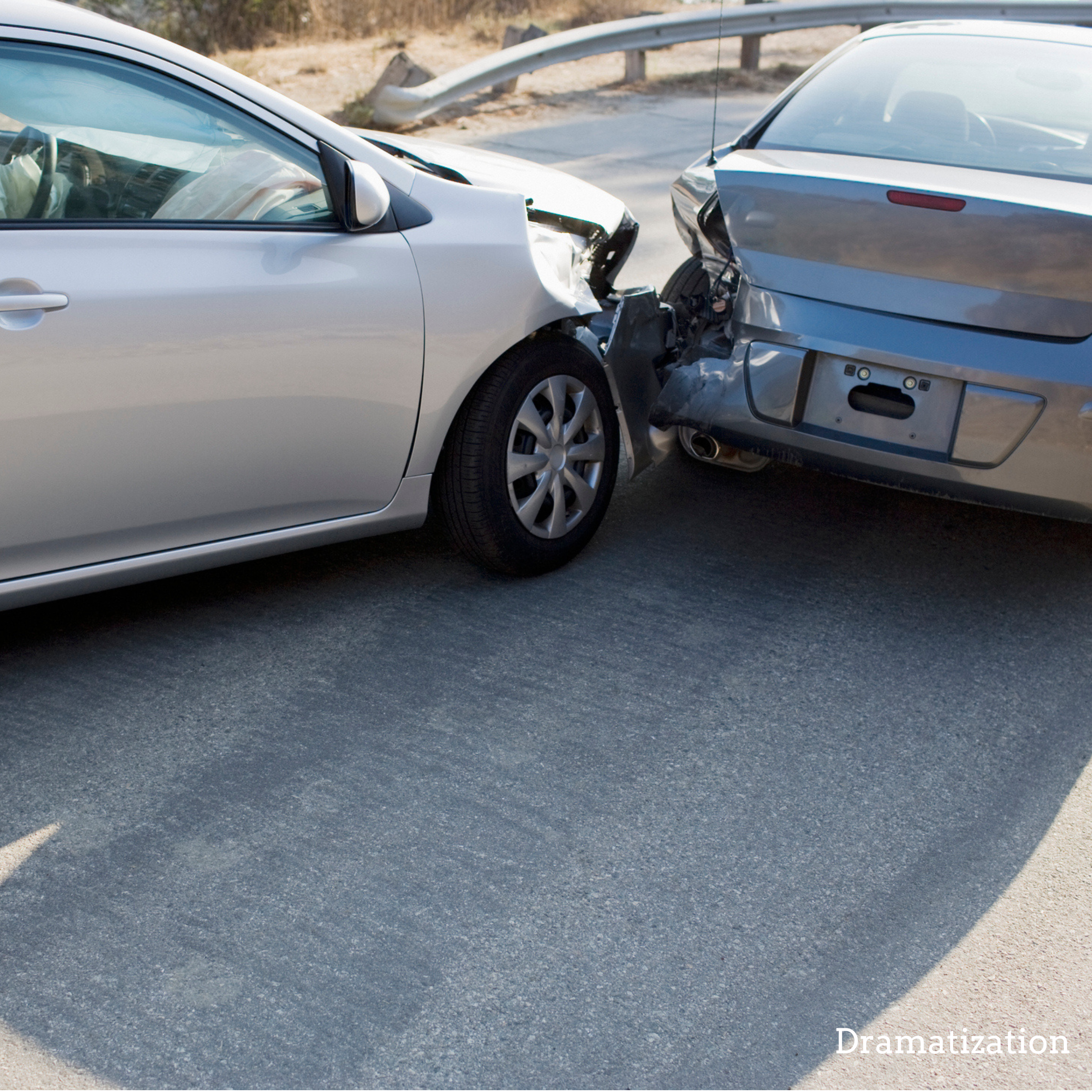
A serious car accident can result in medical bills, lost income, vehicle damage, and other losses that add up quickly. Even when the other driver clearly caused the crash, their insurance may not provide enough money to cover everything.
When this happens, the driver is often described as underinsured. You may still have options, but the amount available will depend on your own insurance coverage, the responsible driver’s policy limits, and whether any additional policies or responsible parties can be identified.
Why the At-Fault Driver’s Insurance May Not Be Enough
California currently requires most drivers to carry at least:
- $30,000 for injury or death to one person
- $60,000 for injury or death to multiple people in one accident
- $15,000 for property damage
These minimum limits took effect on January 1, 2025.
A $30,000 bodily injury limit may not be enough when someone needs surgery, misses months of work, or experiences a lasting injury. The problem can become even more serious when several people are injured and must share the available per-accident limit.
The at-fault driver’s insurance company generally will not pay more than the limits purchased under that policy. Once those limits are exhausted, the injured person must look at other possible sources of recovery.
How Underinsured Motorist Coverage May Help
Underinsured motorist coverage, commonly called UIM coverage, is part of uninsured motorist coverage in California. It is designed to help with bodily injury damages when the responsible driver has insurance, but their applicable limits are lower than the injured person’s UIM limits.
California insurers must offer uninsured and underinsured motorist coverage with qualifying auto policies. A policyholder may reject the coverage or select lower limits through a written agreement.
It is important to check your declarations page rather than assume you have UIM coverage. The declarations page should identify the coverage and the limits that apply.
California UIM Coverage Does Not Simply Stack
In California, the at-fault driver’s liability limit is generally credited against your UIM limit. This means you usually cannot add the full amount of both policies together.
California law also defines an underinsured vehicle as one with bodily injury liability limits that are lower than the injured person’s uninsured motorist limits. The at-fault driver’s applicable bodily injury policies must generally be exhausted through payment before UIM benefits become available.
An Example of How UIM Limits Work
Suppose the at-fault driver has a $30,000 bodily injury limit and you have $100,000 in UIM coverage.
If your injuries support a claim worth at least $100,000, the at-fault driver’s insurer may pay $30,000. Your UIM insurer may then provide up to an additional $70,000, subject to the policy terms, proof of damages, and any other applicable credits.
Your potential combined insurance recovery would generally be limited to $100,000, not $130,000. California law provides that a UIM insurer’s maximum responsibility is reduced by amounts paid by or for people or organizations legally responsible for the injury.
UIM coverage generally applies to bodily injury, not damage to your vehicle. Collision coverage may help pay for vehicle repairs, subject to your deductible and policy terms.
Other Possible Sources of Compensation
UIM coverage is not the only issue that should be reviewed. Depending on how the accident happened, there may be:
- Another insurance policy covering the driver or vehicle
- An employer or business connected to the driver’s actions
- Another person or company that contributed to the crash
- Medical payments coverage for certain medical expenses
- Collision coverage for damage to your vehicle
- Personal assets belonging to the at-fault driver
A lawsuit may be filed against an underinsured driver, but obtaining a judgment does not guarantee that the driver has enough assets or income to pay it. An attorney can investigate whether pursuing the driver personally is practical.
Steps to Take Before Accepting a Policy-Limits Settlement
A policy-limits offer may seem straightforward, but accepting it can affect other claims. Before signing a release:
- Notify your own insurance company. Tell your carrier that the at-fault driver may not have enough coverage and that you may be making a UIM claim.
- Review consent requirements. California law permits UM and UIM policies to restrict coverage when an injured person settles with a responsible party without the insurer’s written consent.
- Confirm all applicable policy limits. There may be more than one policy or insured party connected to the accident.
- Document the full extent of your damages. Keep medical records, bills, wage-loss information, repair estimates, photographs, and other evidence.
- Do not wait to get legal guidance. Insurance claims do not necessarily pause every legal deadline. California generally provides two years to file a personal injury lawsuit, and separate requirements may apply to UM and UIM claims. Exceptions can change these deadlines, so they should be confirmed with an attorney.
How The Bark Law Firm Can Help
Underinsured motorist claims can become complicated because they may involve two insurance companies, policy-limit disputes, medical evidence, and questions about the value of an injury claim.
The Bark Law Firm helps people injured in Los Angeles and throughout California understand their options after a car accident. Our team can review the available policies, investigate possible sources of compensation, document your damages, and communicate with the insurance companies involved.
Contact The Bark Law Firm
If the at-fault driver does not have enough insurance to cover your injuries, you may still have options. The right approach will depend on your policy, your damages, and the specific circumstances of the accident.
Contact the Bark Law Firm to discuss your situation and learn what steps may be available. Getting guidance before accepting a settlement can help you avoid decisions that could affect your ability to pursue additional compensation.
Frequently Asked Questions
What does it mean when a driver is underinsured?
An underinsured driver has liability insurance, but the applicable limits may be too low to cover the injured person’s damages. For California UIM purposes, the responsible vehicle’s bodily injury limit must generally be lower than the injured person’s UIM limit.
Will UIM coverage pay all of my remaining damages?
Not necessarily. Payment depends on your UIM limits, amounts received from responsible parties, the value of your documented damages, and the terms of your policy.
Does UIM coverage pay for vehicle repairs?
California UIM coverage generally addresses bodily injury. Collision coverage may pay for repairs to your vehicle after your deductible, depending on your policy.
Can I sue a driver who does not have enough insurance?
Yes, an at-fault driver may remain personally responsible for damages beyond their insurance limits. Whether a lawsuit is likely to produce a meaningful recovery may depend on the driver’s income, assets, and other circumstances.